Rules & Obligations of E-Bike Riders
Stewardship, Access, and Riding the Right Trails
To keep trails open and safe for everyone, riders need to understand why the distinction between pedal-assist and throttle-powered bikes matters and how they should be used.
Most people are simply unaware that not all “E-Bikes” are treated the same undertrail rules. But those differences are critical to preserving access to our beautiful Lake Tahoe bike trails, and helping prevent accidents.
Golden Rule for All Riders
If you cross or pass a hiker who typically walks 2–3 miles per hour, slow down to no more than 5–6 miles per hour as you approach and pass.
That will not only keep both you and the hiker safe, but also help everyone enjoy the beauty of our trails without conflict or fear.
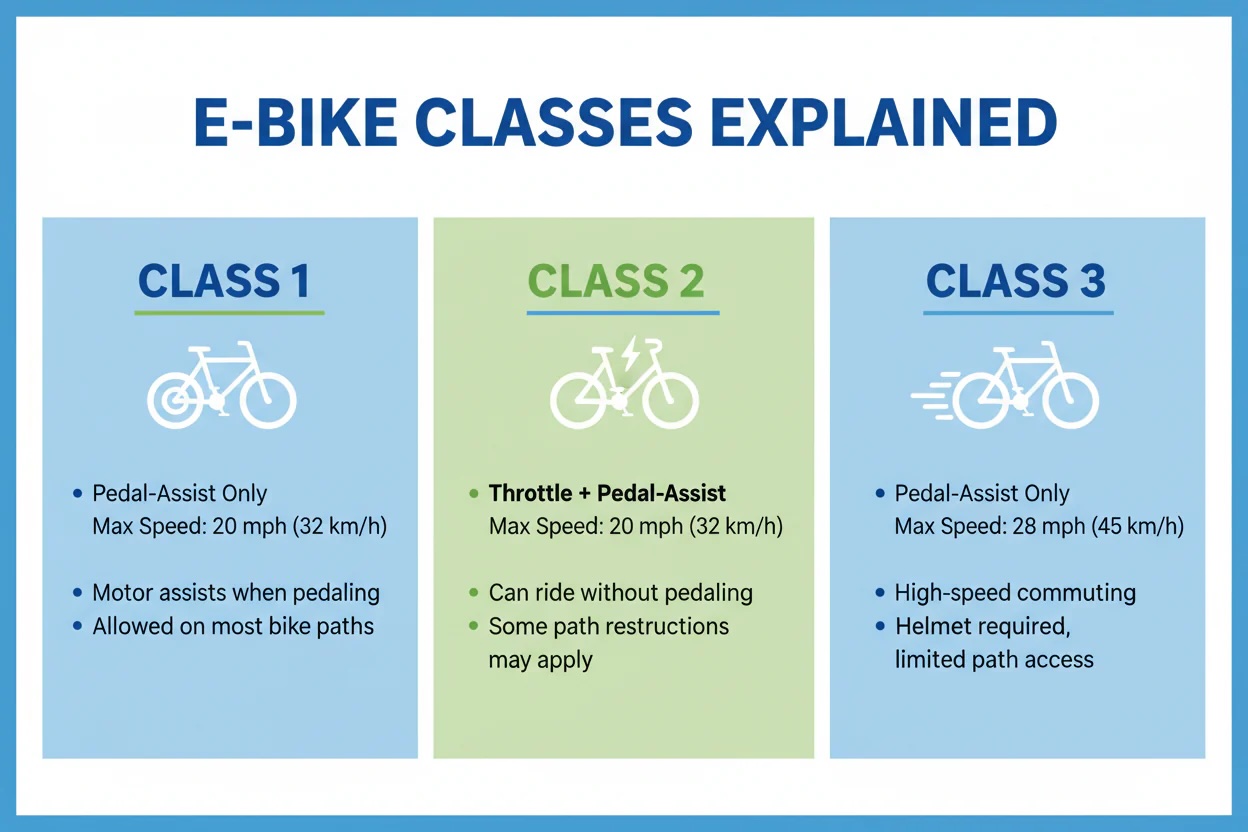
Understanding E-Bike Classes
The term “e-bike” covers several different types of vehicles:
Class 1: Our Comfort & DeLuxe E-Bikes
Our Comfort and DeLuxe E-Bikes are Class 1. Motor assistance only works while you pedal. If you stop pedaling, the motor stops. These e-bikes are widely accepted on non-motorized trails where e-bikes are allowed. All of our recommended trails are accessible to Class 1 E-Bikes.
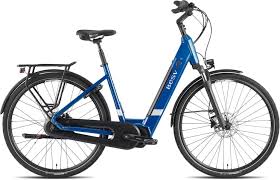
Class 2: Power, Cargo, & Fat Tire E-Bikes
Our Power E-Bikes, Cargo E-Bikes, and Fat Tire E-Bikes can be propelled without pedaling using a throttle. They make rides effortless and extra fun. Their assisted speed is limited to 20 miles per hour, for safety, which makes them Class 2 E-Bikes. Class 3 e-bikes, by contrast, are pedal-assist only and provide assistance up to 28 miles per hour.
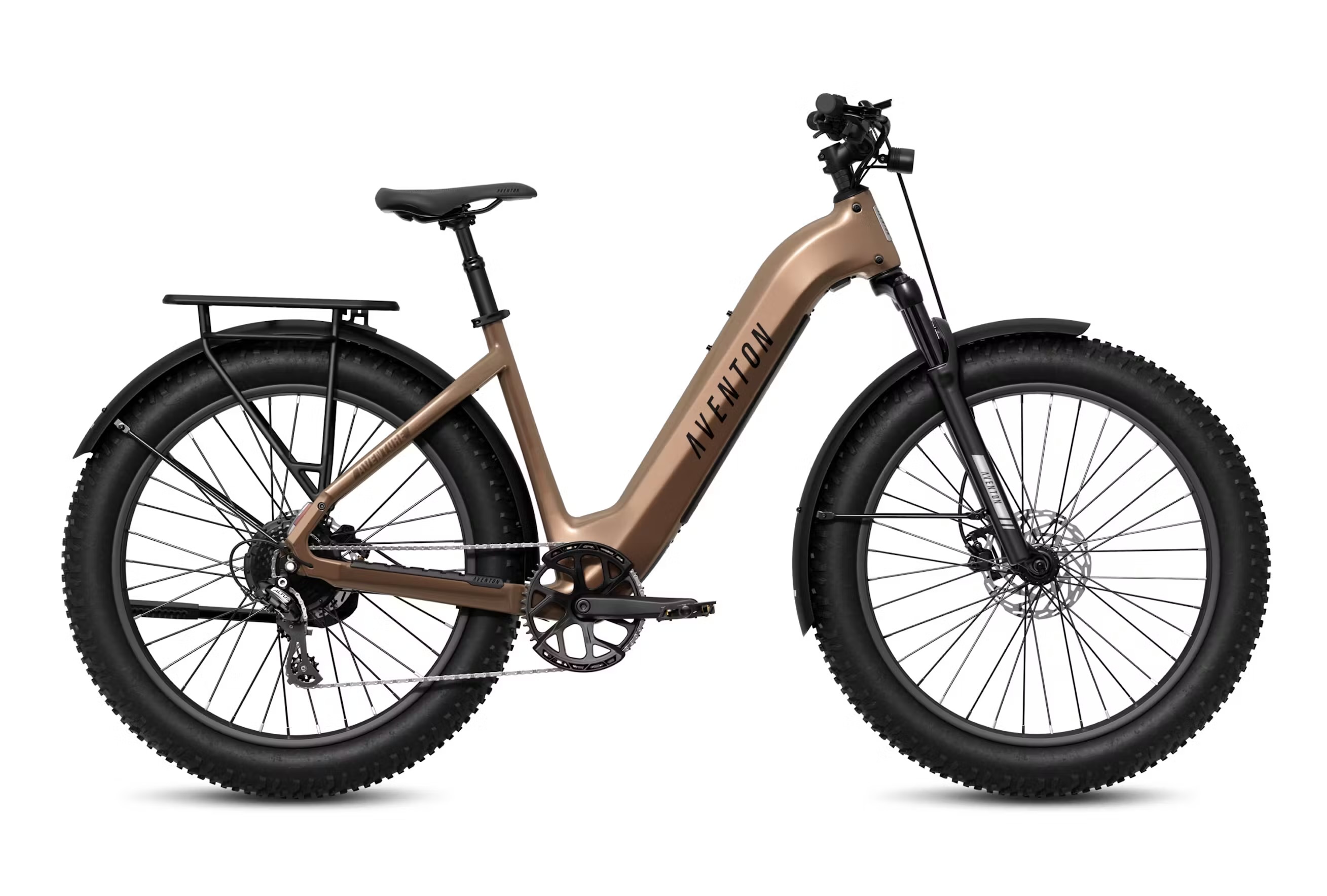
The Golden Rule still applies: reduce your speed to 5–6 mph when encountering hikers. You should also reduce speed when crossing wet patches, loose surfaces, or when turning, to help prevent erosion and keep the environment pristine for other riders and hikers.
Most routes we recommend are accessible with our Power, Cargo, and Fat Tire e-bikes. Fat tire e-bikes are heavier than our other bikes, so please maneuver them with extra caution.
Safety & Speed Matter
On shared trails:
- Hikers may move at 2–3 mp
- Cyclists may move at 5–12 mph
- Class 1 E-ikes may be slightly faster
Throttle-powered bikes can maintain higher speeds without pedaling, includ uphill. This can increase the chance of near-misses and injury. Studies show e-bike collisions withpedestrians can be higher than with standard bicycles.
Please be respectful of other users and of the environment. Speed differences, not just speed itself, create danger.
Best Practices for E-Bike Riders
If You Ride Pedal-Assist (Class 1)
- Yield to hikers and horses
- Announce passes (“On your left”)
- Ride at appropriate trail speeds
- Stay on approved trails
If You Ride Throttle-Equipped Bikes (Class 2 or 3)
- Use roads, OHV routes, and approved paths where allowed
- Do not ride on trails designated for non-motorized use (unless posted as allowed)
- Respect posted trail rules and designations
For All Riders
- Stay on the trail
- Obey posted speed limits
- Protect fragile environment
- Ask our staff for recommendations
Subscribe to our newsletter
Stay up to date with all the latest Tohoe Bike Co News Promotions